
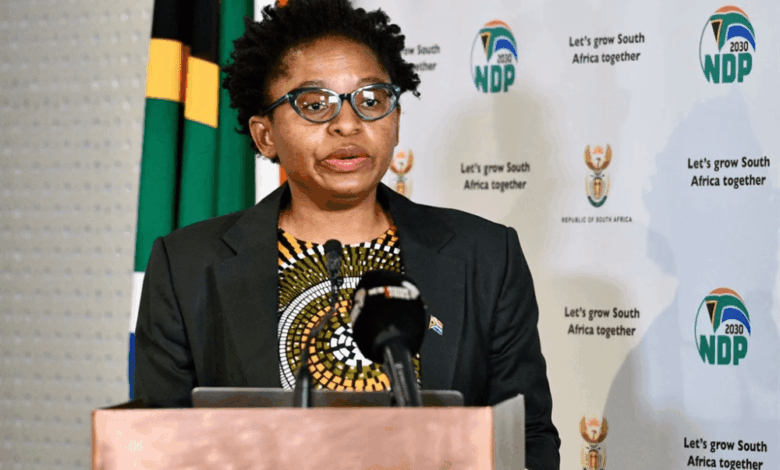
The government has firmly rejected the possibility of a nationwide shutdown driven by anti-immigrant protests, confirming that the president, Cyril Ramaphosa, will soon outline a newly approved approach to managing migration. Speaking during a post-cabinet media briefing on Friday, the minister in the presidency, Khumbudzo Ntshavheni, warned that lawlessness would not be tolerated as tensions mount ahead of a 30 June deadline imposed by protest groups for undocumented migrants to leave the country. She stated that the cabinet had approved a comprehensive migration framework developed by an inter-ministerial committee.
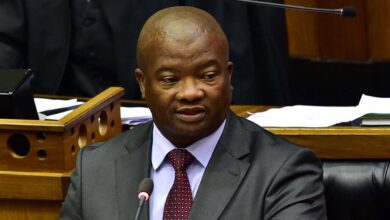
The looming deadline has been championed by the anti-migrant organisation March and March, which has fuelled demonstrations across the Western Cape, KwaZulu-Natal and Gauteng. The resulting climate of apprehension has already prompted some foreign nationals to leave South Africa, with Ghana recently initiating a voluntary repatriation programme that saw 295 of its citizens return home. The acting national police commissioner, Puleng Dimpane, alongside the national joint operational and intelligence structure, has reiterated that only authorised state agencies hold the mandate to enforce the country’s immigration laws.
Addressing the media, Ntshavheni affirmed the constitutional right to protest but drew a strict line against vigilantism. “South Africans have the right to protest and to march, as provided for in the Constitution,” she said. “But South Africans have no right to take the law into their own hands. As we have indicated before, nobody is going to shut down this country. We must be very clear about that.” She declined to provide specifics regarding the individuals orchestrating the marches, arguing that doing so could compromise active law enforcement operations.
The specific timeline for the presidential address has not yet been disclosed, though Ntshavheni indicated it would detail a national action plan and a country report on migration. Following the president’s speech, officials from the criminal justice cluster and other relevant departments will be made available to provide further clarity to the public and the media. In the interim, law enforcement agencies remain on high alert to prevent any disruptions or violence linked to the planned end-of-month demonstrations.