
Washington has confirmed new visa restrictions targeting South African officials it accuses of enabling uncompensated land seizures, race-based discrimination and incitement of violence against minority groups, marking the latest escalation in a diplomatic standoff that has been building between the two countries for more than a year.
United States Secretary of State Marco Rubio announced the measures on 15 September 2026, invoking Section 212(a)(3)(C) of the Immigration and Nationality Act, a provision that allows Washington to deny entry to any foreign national whose presence is judged to carry adverse consequences for US foreign policy. Rubio said the action gives effect to President Donald Trump’s Executive Order 14204, titled “Addressing Egregious Actions of the Republic of South Africa,” which the president signed back in February 2025.
“The United States will not allow such behaviour to go unchecked,” Rubio said in a statement, adding that the South African government had failed to adequately address Washington’s concerns.
 01/05
Get seen where South Africa reads.
Homepage, category & newsletter placements.
02/05
Own the homepage. Just for a day.
Takeovers & sponsored placements, built to spec.
03/05
Don't wait for the 6 o'clock news.
Follow The Baseline on Facebook.
04/05
Straight to your phone. Before anyone else's.
Follow The Baseline on WhatsApp Channels.
05/05
News, refined.
No noise. Just the story.
The restrictions are not a blanket travel ban on all South African citizens. Instead, they target individuals the US holds responsible for, or complicit in, adopting or implementing laws and policies that enable uncompensated land seizures, race-based discrimination or the incitement of imminent violence against minority ethnic or racial groups. The State Department has not published a list of named individuals, though it has indicated that immediate family members of those targeted could also be barred from entry. Officials in Pretoria say the vagueness of the criteria leaves the scope of the measure, and who exactly it will touch, unclear for now.
Trump’s original executive order, signed in February 2025, rebuked South Africa’s Expropriation Act of 2024, a law that repealed an apartheid-era statute and allows the state to acquire privately held land without compensation only in narrowly defined circumstances, such as land left deliberately unused for speculation. The order set out a policy of withholding aid from South Africa and directed the State Department and Department of Homeland Security to prioritise refugee admissions for Afrikaners “escaping government-sponsored race-based discrimination.” A resettlement pathway under the US Refugee Admissions Programme followed within weeks, even as the wider US refugee system was largely frozen for applicants from other countries.
The visa announcement is the latest in a lengthening list of punitive steps. Over the past year and a half, Washington has cut development and health aid to South Africa, including funding for HIV treatment programmes, imposed a 30 percent tariff on South African exports, one of the steepest rates applied to any sub-Saharan African country, and expelled South Africa’s ambassador to the US. Trump has repeated unsubstantiated claims of a “white genocide” against Afrikaner farmers, boycotted the G20 summit South Africa hosted in Johannesburg in November 2025, and said he will bar South Africa from next year’s summit, which the US is due to host in Miami.
South Africa’s minister of international relations and cooperation, Ronald Lamola, said Pretoria had noted the restrictions “with concern” and accused unnamed fringe groups of misrepresenting the country’s domestic policies to American authorities.
“It is our sovereign right to put in place laws that address the nation’s concern over centuries of racial injustice,” Lamola said.
His department’s spokesperson, Chrispin Phiri, said South Africa respected that the US might hold different views on particular measures, but remained committed to addressing its challenges through its own constitutional institutions and democratic processes.
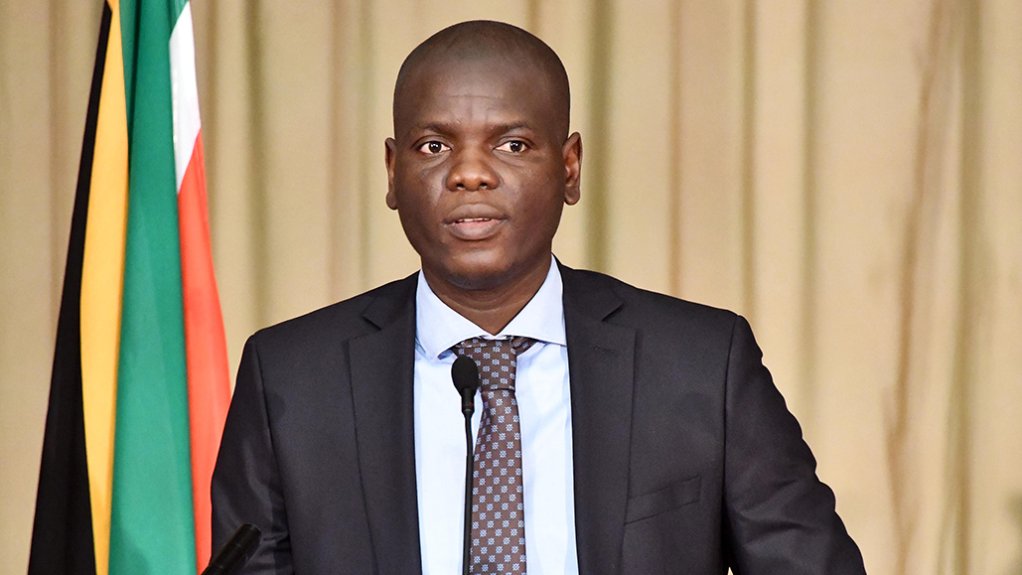
Lamola argued that South Africa’s transformation and land reform laws are rooted in the country’s constitutional obligation to redress the legacy of apartheid, and said crime in the country affects all residents regardless of race. He called for disagreements between the two governments to be resolved through dialogue rather than unilateral action.
The restrictions have drawn a different response from some quarters inside South Africa. AfriForum, a lobby group representing Afrikaner interests, welcomed the move, with its chief executive Kallie Kriel describing the measures as necessary. The group has for several years lobbied Washington directly over its objections to land reform and affirmative action policy, and its advocacy has featured prominently in the Trump administration’s public statements on South Africa.
The dispute over land and race policy sits alongside broader foreign policy disagreements between the two countries, including South Africa’s genocide case against Israel at the International Court of Justice and its continued membership of the BRICS bloc alongside Russia and China, both of which have periodically drawn criticism from Washington.
With no individuals yet named under the new policy, its practical effect remains to be seen. Rubio has warned of further “severe” action should Pretoria not change course, and analysts in both capitals expect the standoff to persist, if not deepen, in the run-up to the 2026 G20 cycle.