
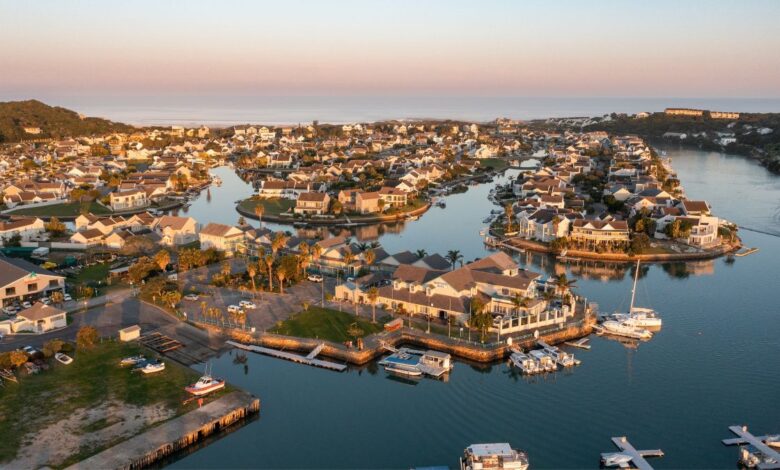
The Port Alfred Ratepayers’ and Residents’ Association has launched a high court application to interdict the provincial geographical name change council over its handling of proposed renaming applications.
The civic organisation is petitioning the Makhanda high court to declare the recent public participation process unlawful and legally defective. The dispute centres on the administrative procedures used to solicit public input regarding the potential renaming of the coastal town to iCawa or iCoyi, and the Kowie River to iQoyi.
The legal challenge specifically targets the Eastern Cape Geographical Name Change Council, accusing the body of acting in bad faith and deliberately frustrating the rights of the local community. Court documents indicate that the provincial authority failed to adhere to the statutory requirements outlined in the Promotion of Administrative Justice Act and its own operational guidelines.
 01/05
01/05
Get seen where South Africa reads.
Homepage, category & newsletter placements.
02/05
Own the homepage. Just for a day.
Takeovers & sponsored placements, built to spec.
03/05
Don't wait for the 6 o'clock news.
Follow The Baseline on Facebook.
04/05
Straight to your phone. Before anyone else's.
Follow The Baseline on WhatsApp Channels.
05/05
News, refined.
No noise. Just the story.
The ratepayers’ association alleges that the council published public notices with incorrect timeframes and refused to provide the necessary historical motivations for the name changes prior to a consultative meeting held in October 2025. This lack of transparency, the organisation argues, prevented residents from preparing meaningful representations.
According to a report by Daily Maverick, the attorney representing the civic group, Marius Coetzee, clarified that the litigation is not a rejection of the proposed names themselves, but rather a defence of administrative fairness. “Our case is based on a central issue, that communities have a right to meaningful public participation. We are not opposing the application for a name change; we are fighting the process,” he noted.
In response to the allegations, the chairperson of the council, Christian Martin, submitted an affidavit defending the process. He argued that the authority deliberately withheld the documentation until the public hearing so that every attendee would receive the complete information simultaneously, adding that the court could not dictate the required level of public participation in advance.
The Makhanda high court will now be tasked with determining whether the provincial council’s conduct met the constitutional standard for public consultation. If the judiciary finds in favour of the ratepayers, the council could be forced to nullify all previous consultative meetings and restart the entire participation process under strict legal oversight. The impending judgement is likely to set a significant precedent for how geographical renaming applications are managed across the province, ensuring that administrative bodies cannot bypass mandatory disclosure requirements when engaging with affected communities.